


In 2014,when 211 San Diego launched the country’s first Community Information Exchange (CIE), it brought attention to a simple idea: that bringing social and health data together is essential for improving whole-person care. This was a breakthrough moment as public health data sharing and real-time collaboration between community organizations and healthcare providers helped ensure that people received the right care at the right time.
Over the years, CIEs and SHIEs across the country have proven that when agencies have access to the full picture of a person’s needs, outcomes improve and costs decrease. But scaling these models beyond a single community also revealed several challenges, from fragmented systems to inconsistent consent management.
This is why we built Innovaccer’s Social Health Information Exchange (SHIE) platform- to support both CIEs and SHIE initiatives on a single, interoperable infrastructure. In our last blog, we explored whycounties need SHIE to break silos and enable whole-person care. In this article, we’re continuing that story, looking at how SHIE can help solve society’s most complex challenges at scale.
Behind the Scenes: How SHIE Works
At its core, SHIE is more than just a data integration tool. It is helping to address some fundamental social problems affecting health outcomes and quality of life. It is built on an FHIR-native infrastructure that integrates data from multiple sources such as EHRs, Medicaid enrollment, housing and homelessness services, behavioral health systems, criminal justice data, food assistance programs, and other community-based resources.
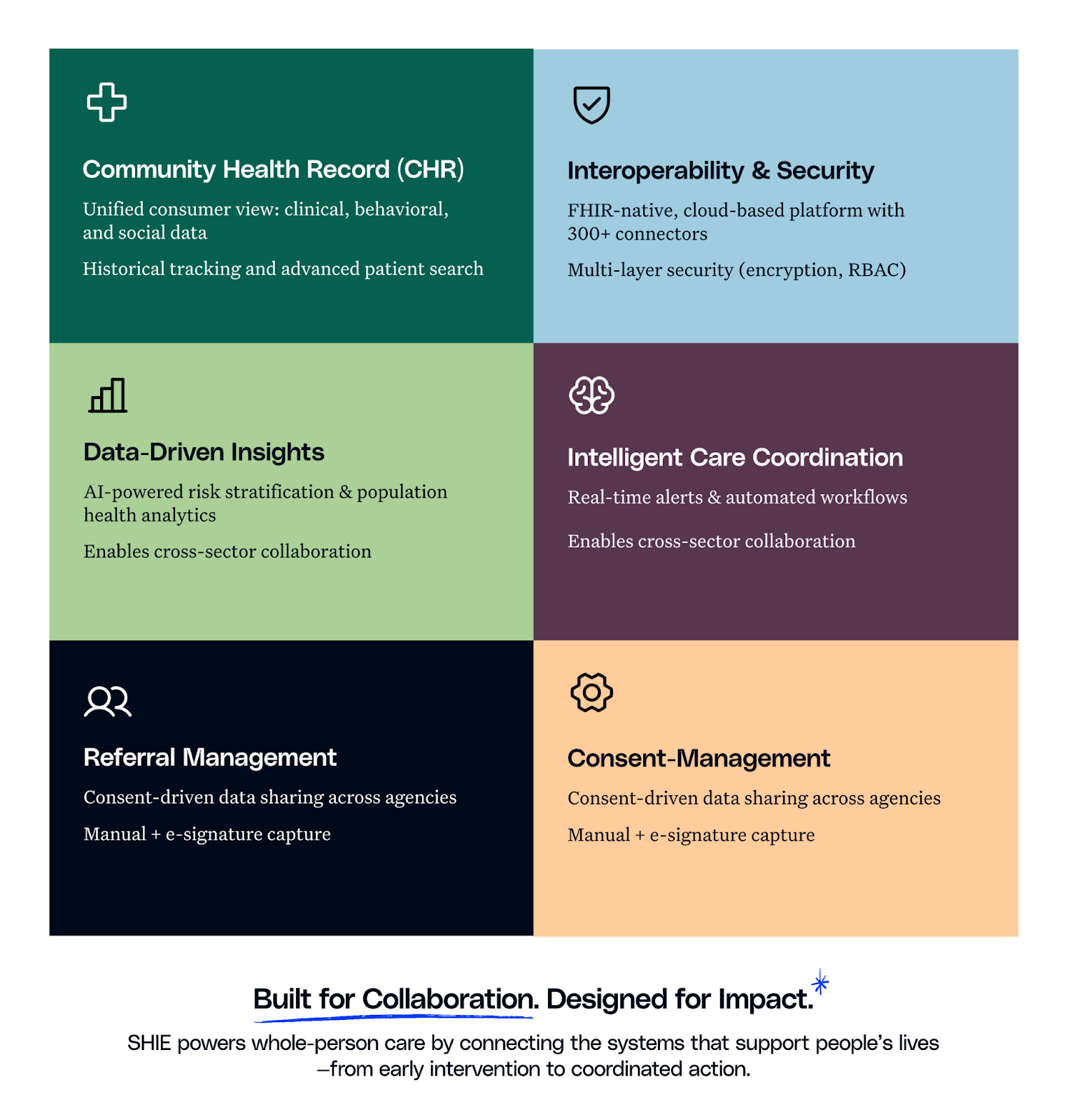
To turn insight into action, SHIE is designed to power intelligent decision-making and care coordination through a centralized command center with real-time alerts and automated workflows. It also enables care teams to identify risk signals early on and trigger referrals. Outcomes can also be easily tracked with closed-loop referral management. While consent is handled through flexible and built-in tools, AI and analytics enable population health monitoring and predictive risk stratification.
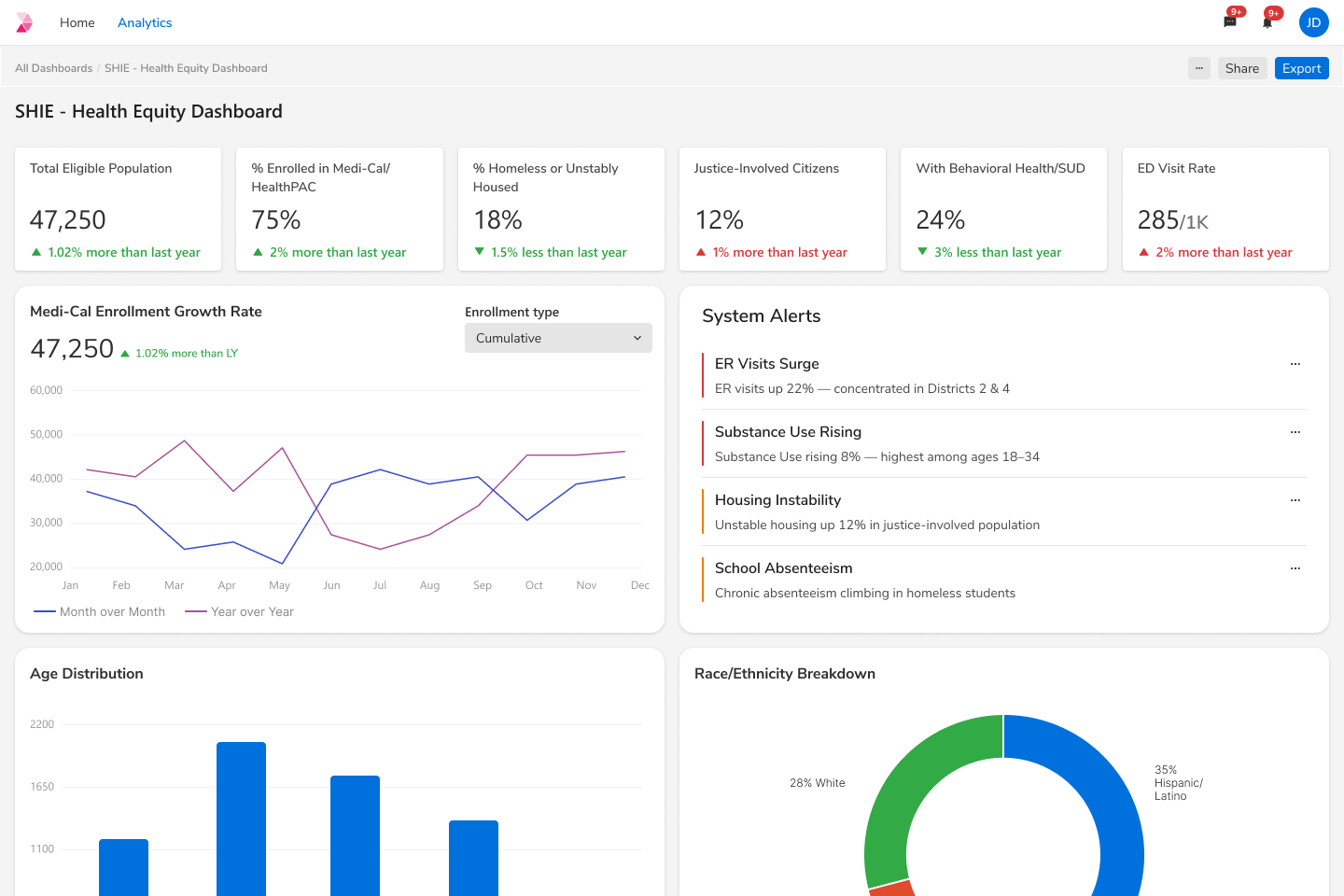
With enterprise-grade security and compliance, SHIE ensures that social problem-solving is not just possible, but scalable, secure, and measurable.
How Does This Help on the Ground?
The effects of disconnected systems can often show up in people’s lives in very real ways. Let's see how SHIE practically tackles some of these challenges:
Breaking the Cycle: Housing, Hunger & Health
Both homelessness and food insecurity are social issues, but they are also significant predictors of poor health. Studiesshow that people experiencing homelessness suffer from mental health disorders and hospitalizations.
Why? Because data related to housing instability or food scarcity is not something that may always be visible in traditional clinical systems.
Let’s understand this with the example of a case manager named Maria. She’s tracking a patient, John, with recurring ER visits for asthma. His clinical records look normal, but there’s something that traditional clinical systems are unable to reveal- that he was evicted 6 weeks ago and is currently homeless. This gap is preventing her from getting the holistic care her patient needs. This is where Innovaccer’s SHIE can help her make a difference:
- See the whole picture (Whole-person Health): SHIE combines clinical data with real-time alerts from community sources like eviction records, shelter intakes, and food insecurity screenings. This allows care teams like Maria’s to view social risks such as housing and nutrition needs, alongside the citizen’s medical history, within a single interface.
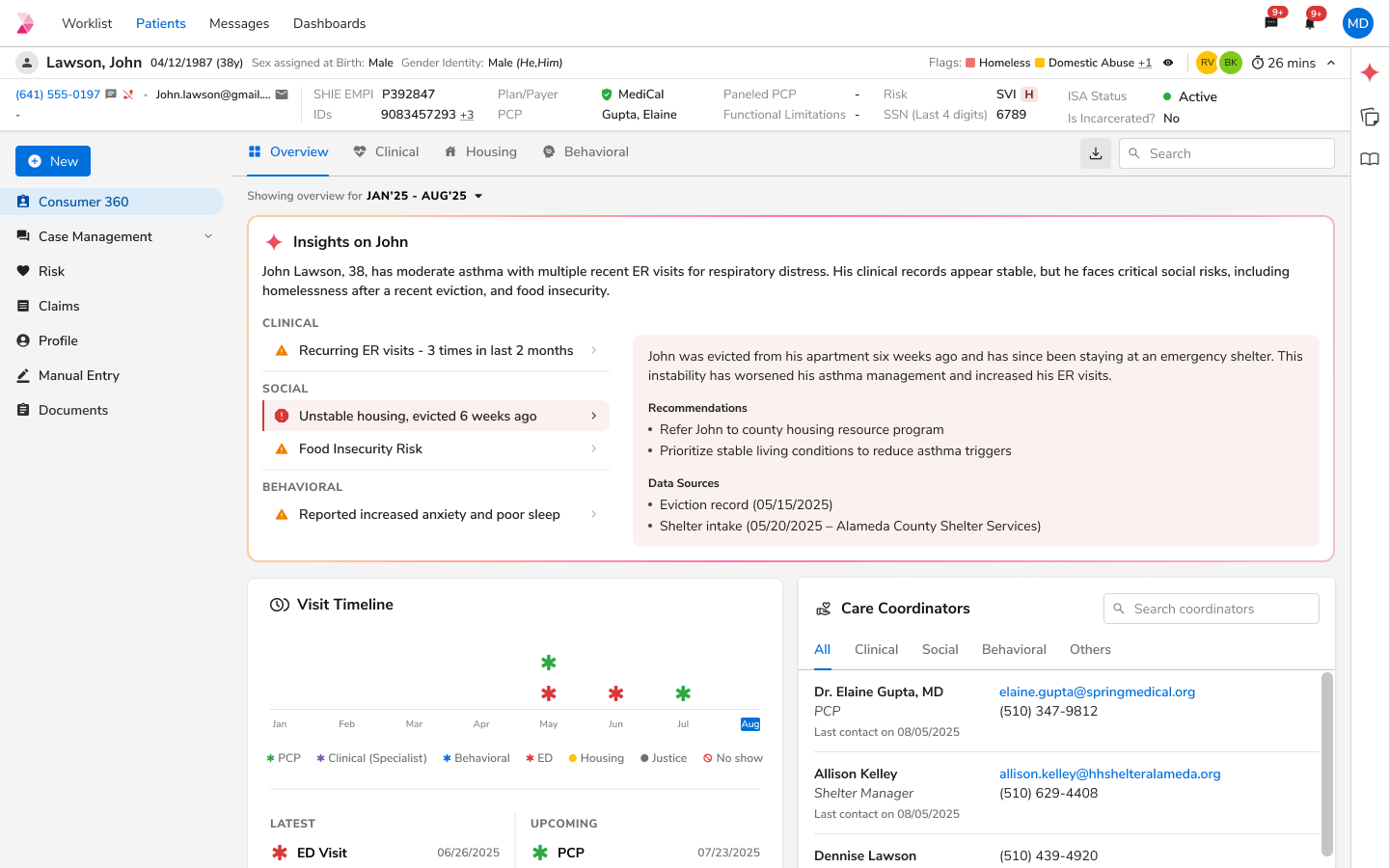
SHIE highlighting John’s unstable housing & food insecurity, along with his health status
- Act Early with AI-Driven Risk Identification: SHIE applies machine learning to detect early signals of instability, such as missed appointments, recent evictions, or overlapping social needs. These predictive risk flags surface patients who may require immediate support, even if their clinical records appear routine.
- Coordinate Care with Embedded Referral Tracking: Once a need is identified, SHIE enables users to generate referrals to relevant community services, like housing support or local food pantries, and also to programs like SNAP (Supplemental Nutrition Assistance Program)while monitoring their status. The platform supports closed-loop referral tracking so case managers can follow up as needed, all within their workflow.
By surfacing invisible risks and enabling real-time action, SHIE enables case managers like Maria to reduce avoidable ER visits and address the root cause of poor health and not just simply the symptoms.
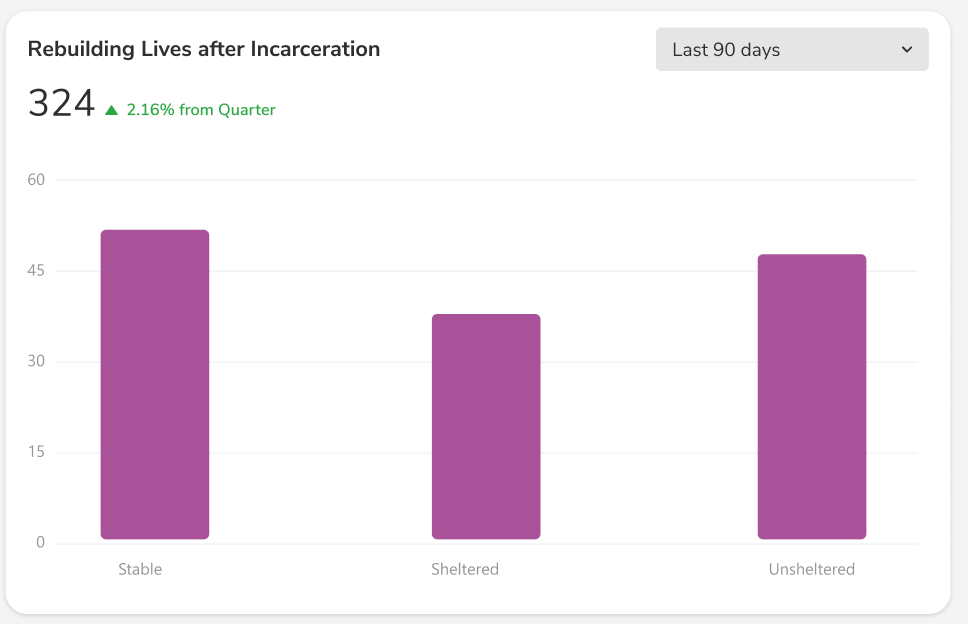
Rebuilding Lives After Incarceration
For many people reentering society after incarceration, the sentence doesn’t end at release. The transition can often be difficult, marked by instability. They may struggle to find proper housing, employment, or healthcare. Poor continuity of care, for example, in behavioral and chronic conditions, can worsen health outcomes. Health records might not carry information such as release dates or gaps in Medicaid coverage, all of which are essential for coordinating effective care.
Take housing, for example: an individual released from prison without a stable place to live may cycle between shelters and emergency rooms. This will make it more difficult for him to maintain chronic care or attend follow-up appointments. Without coordinated data from both justice and housing systems, such risks often go unnoticed until they escalate.
Here’s how a case manager like Maria ensures that such individuals receive quality and comprehensive care through SHIE:
- Complete view of social transitions: By bringing together data from criminal justice systems and Medicaid enrollment timelines, Maria can identify individuals recently released and coordinate their reentry needs proactively.
- Continuity of care tracking: With SHIE, case managers can see if the person missed chronic disease follow-ups due to incarceration or lacks access to behavioral health services, allowing them to close care gaps before they escalate.
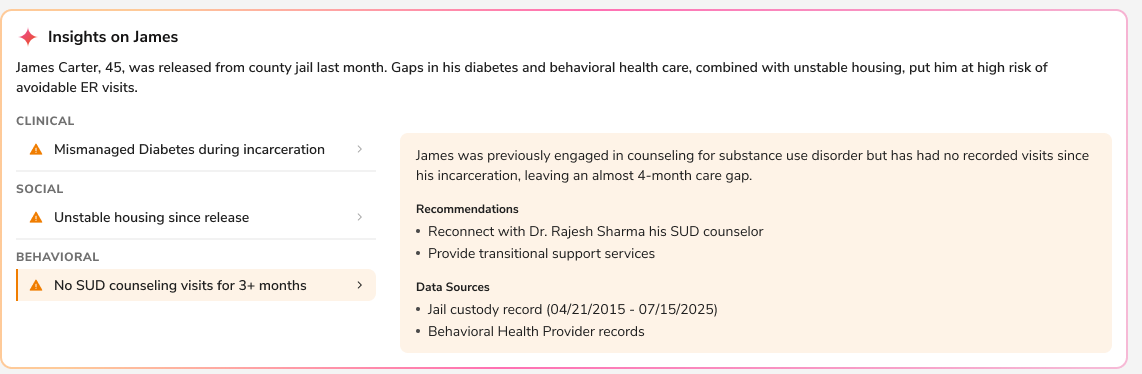
- Coordinated support across systems: SHIE enables referrals not just to clinics, but to workforce programs, housing agencies, and trauma-informed therapy providers. Maria can monitor whether the individual actually connected with these services, helping her intervene when support stalls.
Preventing School Dropouts with a Coordinated Approach
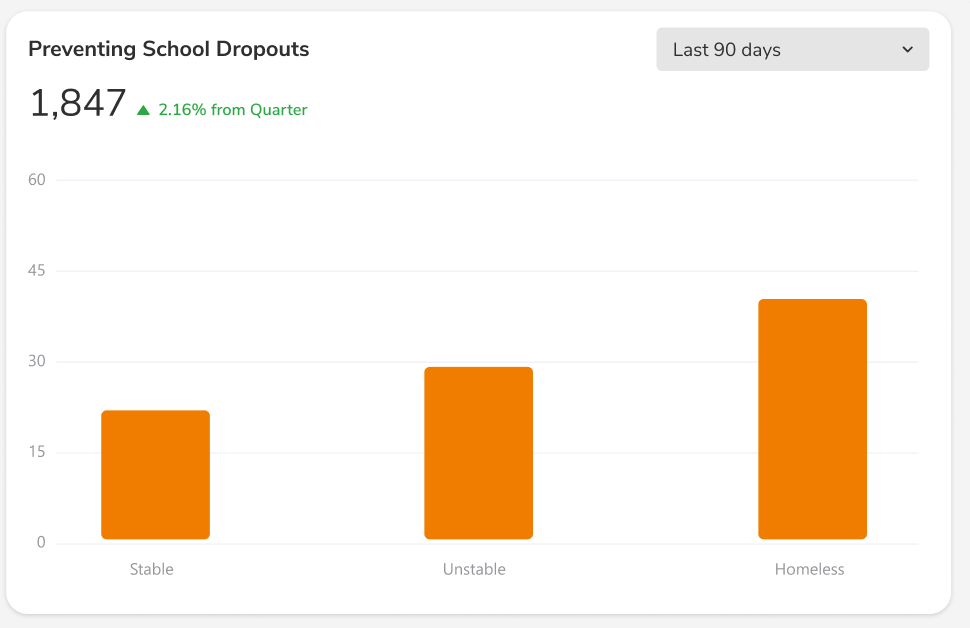
Dropping out of school often occurs because of a combination of several factors, such as academic struggles, unstable housing, behavioral challenges, and other unmet needs. By the time warning signs become apparent, the window for intervention has already been missed. Students who drop out of school are often at a higher risk of unemployment, poverty, and involvement with the justice system. They are also more likely to experience poor health outcomes.
Social Health Information Exchange (SHIE) helps schools, social service agencies, and community programs share relevant information in a secure and coordinated way, so support can start before a student disengages completely. Integrating data from multiple sources, such as school attendance records, juvenile justice interactions, housing instability data, and social service enrollment data, allows case managers to see a fuller picture of a student’s circumstances.
For example, a student with frequent absences, recent involvement with juvenile justice, and a sudden drop in grades might also be facing unstable housing. With SHIE, this combined picture prompts a coordinated response: connecting the student to academic tutoring, counseling, and stable housing resources at the same time, rather than addressing each need in isolation.
By giving teachers, counselors, and community programs a shared view of risk factors, SHIE enables timely, holistic support that keeps students engaged in school.
Looking Ahead: A More Connected Future
We’ve come a long way since San Diego first launched CIE in 2014. We are facing new challenges that need new approaches. Communities today need infrastructure that can keep pace with real-time demands and a trusted consent framework to translate information into action. SHIE helps make that possible, not by replacing the work of public agencies and partners, but by giving them a stronger foundation to work from.
Importantly, SHIE doesn’t stand apart from existing health information exchanges (HIEs); it complements and extends them. In fact, SHIE can serve as a critical layer within state HIE models. It can power the integration of social and health data and enable cross-sector collaboration at scale. By aligning with HIE infrastructure, SHIE helps ensure that the same trusted, interoperable backbone supporting clinical care can also support whole-person care.
We’re still learning what it takes to make that happen at scale. But with every step toward shared systems, aligned goals, and better coordination, we move closer to a future where care reflects the full reality of people’s lives.
Curious how SHIE fits into your community goals? Get in touch
.png)

